Author: Sally Frederick-Johnson
Christian, Conservative, American, Texan, Blogger, Writer, Webmaster, and Family Historian. Bachelor of Science in Information Systems Security 2011.
The Best from South Moravia
John Hus: A Journey of No Return (2016) | Full Movie
Czech Documentary About the History and Origin of Prague
Geography Now! Czech Republic (Czechia)
Prague, At the Heart Of Europe – Documentary
Prague is a magic city. At the geographic centre of Europe, this capital of a now new country boasts an incredible wealth of culture. Nestling amidst the meanders of the Vlatva river, the old city is a stone’s throw from the ultra-modern district of Karlin. The Middle Ages, the Renaissance, the Baroque, Art Nouveau and the communist regime have in turn left their mark on the city’s physiognomy. Mozart, Kafka, Mucha and many others have also left traces of their talent. Alternating cultural heritage with more contemporary themes, Pierre Brouwers shows us that Prague is anything but a museum city.
Wenceslas Square . The Castle . Changing the Guard . St Guy’s Cathedral . The Vltava and Charles Bridge . The Old Town . Puppets . Shadow Theatre . The Jewish Quarter, Cemetery, Synagogues . Astronomy Clock . Powder Case Tower . The Battle of White Mountain . Urban Vineyards . Artists Market . The John Lennon Wall . Karlin Market . Architecture . Kafka Museum . Mucha Museum . Gold Backstreet . Petrín Hill, “Eiffel Tower” and Funicular Railway . The Feast of Saint Wenceslas . Prague by Night, Original Bars . Traditional Brasserie . Zizkov Tower and Giant Babies . Organ Concert . Metro and Tramways . Opera House . Concert and Traditional Dancing .
Bohemia and Prague from the sky . Etc. -Follow us on social media :Facebook : https://www.facebook.com/BestDocument…
South Moravian Region – Czech Republic
Old Czech Recipes: Kolaches/Kolacky

Ceske Kolace
KOLACHES/KOLACKY
3 cups milk, scalded
2 pkgs. active dry yeast or 1½ tbsp. fresh yeast
¼ cup sugar
2 tbsp. salt
2 eggs yolks beaten
½ cup melted lard
about 6 cups of flour
Dissolve yeast with half the sugar in 1½ cups scalded milk which has been cooled to lukewarm. Add 1½ cups of the flour. Mix all together and put in warm place and let rise until bubbles appear. (1½ hours.) Add the beaten egg yolks, salt, rest of the sugar, melted and cooled lard, and the rest of the milk (lukewarm.) Beat well. Gradually add the rest of the flour, a small amount at a time, mixing well after each addition until smooth and elastic. Cover and place in a warm place. Let rise until doubled in bulk. When dough is light, stir with spoon, let rise again. Then shape into small balls about the size of a large walnut. Put into well greased baking pans, well spaced, about 15 in a 10×15 in. pan. Brush top with melted fat and let rise in warm place until light. Then in the center of each bun make a small indentation with your fingers and fill each with at least 1 tbsp. of prepared filling. Return to warm place to finish rising. Bake in a very hot oven until brown, 400 – 425 degrees for 12 to 15 minutes. Remove from oven, brush with melted fat and remove from pans.
Povidly do kolacu
Fillings for kolaches—Prune, Peach, Apricot
2 lbs. of fruit
Cook in water until they come off the pit easily. Drain them and pit. Mash well. Add 1 cup sugar, 1 tsp. vanilla, and a little cinnamon (if desired.) Prepared fillings may also be used.
Nadivka z Maku
Poppy Seed Filling
1 lb. seedless raisins
Cover with water and simmer until almost dry. Drain.
Combine raisins, 3 12-oz. cans of Poppy Seed, and ¼ lb. butter.
Tvaroh
Cottage Cheese Filling
Cream 1 tbsp. butter
Add: 1 lb. dried sweet cottage cheese
2 egg yolks
½ cup sugar
¼ cup raisins
¼ tsp. salt
¼ tsp. vanilla (Lemon flavoring may be substituted)
Dust with cinnamon, mix well.
My Paternal 1st. Great Grandmother, Annie Marie “Mary” (Dudik) Mazac
Name: Annie Marie “Mary” Dudik, daughter of Tomas Dudik, Jr. and Eva “Evy” Chlevestanove
Born: 2 June 1862 in Hrozenkov, Moravia, Austria
Married: 11 Oct. 1884 in Ústí, Vsetín, Moravia, Austria Wife of Jan “John” Mazac
Mother of 20 children
Emigrated: 19 January 1892 from Moravia to Ellis Island, New York, New York, then by ship to Galveston, Texas. She settled in the Williamson County, Texas area with her husband, Jan “John” Mazac, and near other Moravian immigrants.
Immigration: 19 January 1892 Ellis Island, New York City, New York, United States with children, Marie, Rozalie, Robert, and Josef Mazac
Residence: 1900 in ED 121 Justice Precinct 1 (all north of N. Fork of San Gabriel River), Williamson, Texas, United States
Residence: 1910 in Justice Precinct 2, Williamson, Texas, United States
Residence: 1920 Justice Precinct 2, Williamson, Texas, United States
Residence: 1930 Justice Precinct 2, Granger, Williamson, Texas, United States
source: MAZAC and DUDIK Information transcribed by Sally Frederick Brown from 1995-1998 in Circleville, Williamson, Texas, United States MAZAC Family Reunion Notebook
Resided in Granger, Taylor, and Corn Hill, Williamson County, Texas areas
Children: (20) Rosalie, Albert, Anton, Andrew, Joe #1, Steve, Johnnie, Robert Albert, Frank, Johnny #2, Marie, Elizabeth Annie (Bessie), Emma, Effie, Eva, John Joseph, Alberta “Bertha”, Olga, Frank Joseph, and Vlasta Mary Mazac
Death: 21 March 1939 in Granger, Williamson, Texas, United States
Burial: 1939 in Granger, Williamson, Texas, United States Annie Marie “Mary” Dudik Mazac
BIRTH: 2 Jun 1862 in Hrozenkov, Moravia, Austria
DEATH: 21 Mar 1939 (aged 76) in Granger, Williamson County, Texas, USA
BURIAL: Holy Cross Cemetery, Granger, Williamson County, Texas, USA
FINDAGRAVE MEMORIAL ID 21074105
NOTE: [LEO BACA’S BOOK ON CZECH IMMIGRATION: MARIE MAZAC, AGE 29, ARRIVED ON JAN. 19, 1892 IN NEW YORK ON THE SHIP EIDER FROM MORAVIA, WITH ROZALIE AGE 8, ROBERT AGE 2, AND JOSEF AGE 1/2 [6 MONTHS] BOUND FOR TEXAS. IMMIGRATION PAPERS SHOW MAZAC, MARIE, DCERA TOMASE DUDIKA, DOMKARE V MALE BYSTRICI A JEHO MANZELKY EVY CHLEVESTANOVE.]

Loving wife, Mother, Grandmother, and Great Grandmother. Hardworking Moravian homemaker, farmer’s wife, and a devout Catholic. Member of the St.Cyril & Methodius Catholic Church in Granger, Williamson County, Texas. Mary & John Mazac helped found the St. Cyril & Methodius Catholic Church, in Granger, Williamson County, Texas. I wish that I could have known her. I cannot fathom how horrible it would be to have five of your sons die so young. They died before they left Moravia. My poor great grandmother survived six weeks aboard a ship as “steerage passengers” in the bottom of the ship; with the crowded, hot, and unsanitary conditions aboard a ship with her four little children, from Moravia. They were very poor, so I don’t know how they came up with the money for passage to America. I would have been terrified. They left to come to America for a “new life” where they had freedom from the cold winters, freedom of religion, and to fulfill the American dream of owning their own property. “Krasna Amerika”. Land and Family were everything to them. They were good, hard working Catholics, and worked for everything that they had. They grew their own food in their garden, and were farmers. source: Great Granddaughter, Sally Frederick Johnson, Mazac Reunion Notebook, Houston, Harris, Texas, USA
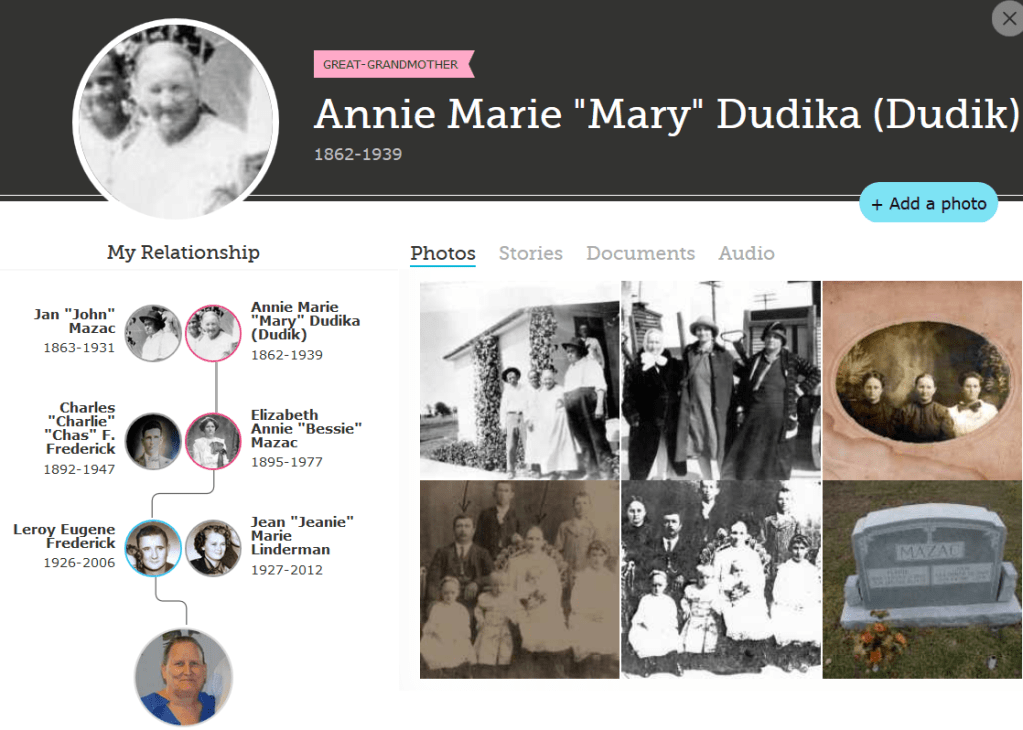
My Paternal 1st. Great Moravian grandmother, daughter of Tomas “Tom” Dudik & Evy “Eve” (Chlevestanova) Dudik of Mala Bystrici, Novy Jiovin, Moravia.
Wife of Jan “John” Mazac, and mother of 20 children.
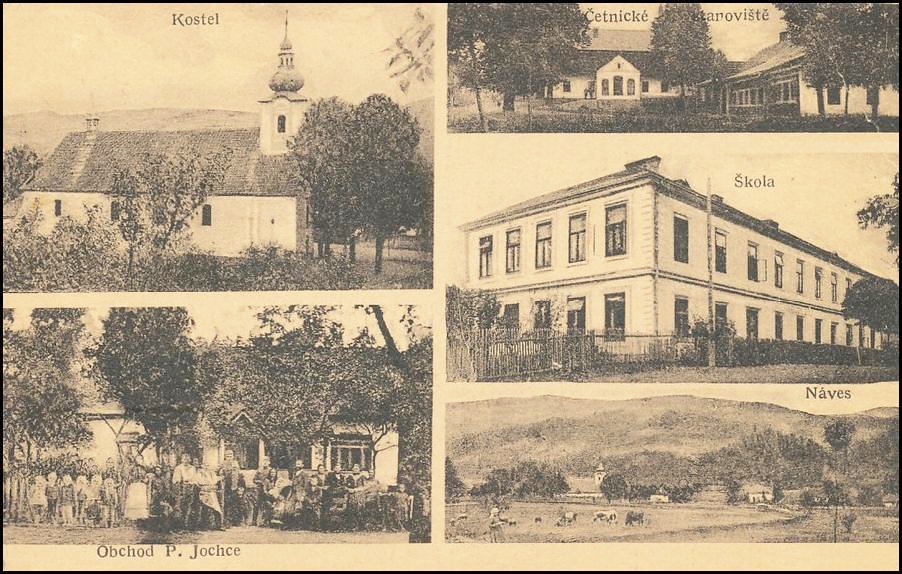
Emigrated on 19 January 1892 from Moravia to Ellis Island, New York, New York, then by ship to Galveston, Galveston, Texas, then from Galveston by covered wagon to Williamson County, Texas. She settled in Williamson County, Texas with her husband, Jan “John” Mazac.
[LEO BACA’S BOOK ON CZECH IMMIGRATION: MARIE MAZAC, AGE 29, ARRIVED ON JAN. 19, 1892 IN NEW YORK ON THE SHIP EIDER FROM MORAVIA, WITH ROZALIE AGE 8, ROBERT AGE 2, AND JOSEF AGE 1/2 [6 MONTHS] BOUND FOR TEXAS. IMMIGRATION PAPERS SHOW MAZAC, MARIE, DCERA TOMASE DUDIKA, DOMKARE V MALE BYSTRICE A JEHO MANZELKY EVY CHLEVESTANOVE.]
They were farmers, Catholic, and they settled in the Granger, Taylor, and Corn Hill, Williamson County, Texas areas.
LEO BACA’S BOOK ON CZECH IMMIGRATION: MARIE MAZAC, AGE 29, ARRIVED ON JAN. 19, 1892 IN NEW YORK ON THE SHIP EIDER FROM MORAVIA, WITH ROZALIE AGE 8, ROBERT AGE 2, AND JOSEF AGE 1/2 [6 MONTHS] BOUND FOR TEXAS. IMMIGRATION PAPERS SHOW MAZAC, MARIE, DCERA TOMASE DUDIKA, DOMKARE V MALE BYSTRICI A JEHO MANZELKY EVY CHLEVESTANOVA.
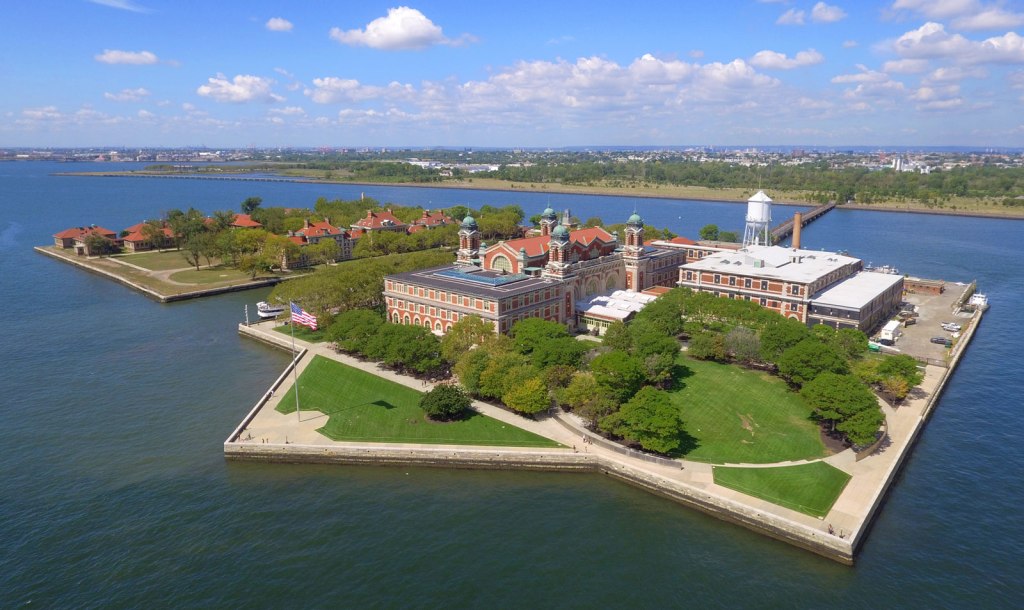
ELLIS ISLAND – HISTORY
“From 1892 to 1954, over twelve million immigrants entered the United States through the portal of Ellis Island, a small island in New York Harbor. Ellis Island is located in the upper bay just off the New Jersey coast, within the shadow of the Statue of Liberty.Through the years, this gateway to the new world was enlarged from its original 3.3 acres to 27.5 acres mostly by landfill obtained from ship ballast and possibly excess earth from the construction of the New York City subway system.
Before being designated as the site of the first Federal immigration station by President Benjamin Harrison in 1890, Ellis Island had a varied history. The local Indian tribes had called it “Kioshk” or Gull Island. Due to its rich and abundant oyster beds and plentiful and profitable shad runs, it was known as Oyster Island for many generations during the Dutch and English colonial periods.
By the time Samuel Ellis became the island’s private owner in the 1770’s, the island had been called Kioshk, Oyster, Dyre, Bucking and Anderson’s Island. In this way, Ellis Island developed from a sandy island that barely rose above the high tide mark, into a hanging site for pirates, a harbor fort, ammunition and ordinance depot named Fort Gibson, and finally into an immigration station.
While most immigrants entered the United States through New York Harbor (the most popular destination of steamship companies), others sailed into many ports such as Boston, Philadelphia, Baltimore, San Francisco and Savannah, Miami, and New Orleans. The great steamship companies like White Star, Red Star, Cunard and Hamburg-America played a significant role in the history of Ellis Island and immigration in general.
First and second class passengers who arrived in New York Harbor were not required to undergo the inspection process at Ellis Island. Instead, these passengers underwent a cursory inspection aboard ship; the theory being that if a person could afford to purchase a first or second class ticket, they were less likely to become a public charge in America due to medical or legal reasons.
The Federal government felt that these more affluent passengers would not end up in institutions, hospitals or become a burden to the state. However, first and second class passengers were sent to Ellis Island for further inspection if they were sick or had legal problems.
This scenario was far different for “steerage” or third class passengers. These immigrants traveled in crowded and often unsanitary conditions near the bottom of steamships with few amenities, often spending up to two weeks seasick in their bunks during rough Atlantic Ocean crossings. Upon arrival in New York City, ships would dock at the Hudson or East River piers.
First and second class passengers would disembark, pass through Customs at the piers and were free to enter the United States. The steerage and third class passengers were transported from the pier by ferry or barge to Ellis Island where everyone would undergo a medical and legal inspection.”
source: http://www.ellisisland.org/genealogy/ellis_island_history.asp
John and Mary Mazac were members of the St.Cyril & Methodius Catholic Church in Granger, Williamson County, Texas. John and Mary Mazac helped found the St. Cyril & Methodius Catholic Church, in Granger, Williamson County, Texas. I wish that I could have known her. I cannot fathom how horrible it would be to have five of your sons die. They died before they left Moravia. My poor great grandmother survived six weeks aboard a ship from Moravia. With the crowded, hot, and unsanitary conditions aboard a ship with your four little children.
They were very poor, so I don’t know how they came up with the money for passage to America. They may have been Tenant Farmers, like in Europe that had Indentured slaves. I would have been terrified. They left to come to America for a “new life” where they had freedom from the cold winters, and to fulfill the American dream of owning their own property. “Life, Liberty, and the Pursuit of Happiness” lured them to America. Family and land were everything to them. They were good, hard working Catholics, and worked for everything that they had. They grew their own food in their garden, raised chickens, and were farmers.
Name: Annie Marie Dudik Mazac
Maiden Name: Dudik (aka Dudikova)
Event Date: 1939
Event Place: Granger, Williamson, Texas, United States of America
Birth Date: 02 Jun 1862
Death Date: 21 Mar 1939
Affiliate Record Identifier: 21074105
Cemetery: Holy Cross Cemetery
Citing this Record: “Find A Grave Index,” database, FamilySearch (https://familysearch.org/ark:/61903/1:1:QVVG-T1RN : 11 July 2016), Annie Marie Dudika Mazac, 1939; Burial, Granger, Williamson, Texas, United States of America, Holy Cross Cemetery; citing record ID 21074105, Find a Grave, http://www.findagrave.com
My Paternal 2nd. Great Moravian Grandfather, Tomas Dudik, Jr.
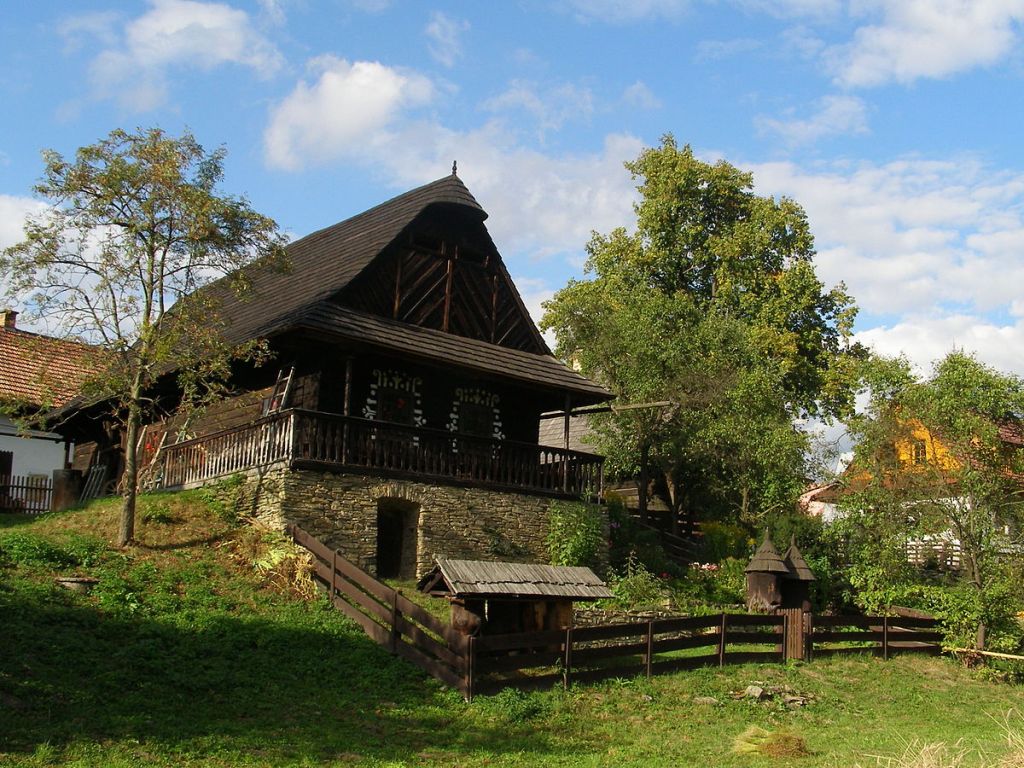
My paternal 2nd. great grandfather, Tomas “Tom” Dudik, Jr. (aka Dudika)
Born: 1842 in Mala Bystrici, Hrozenkova, Moravia.
Married: 1861 in Hrozenkova, Moravia to Eve “Eva” Chlevestanove.
Child: Annie Marie “Mary” Dudik (Mazac)
Died: about 1922 in Moravia. (exact date and place of death unknown).
Buried: about 1922 in Moravia
Source: handwritten Mazac Family Reunion Book by Moravians and Bohemians, Sally Frederick Johnson, Mazac Family Reunion President received in 1995, Circleville, Williamson, Texas, USA
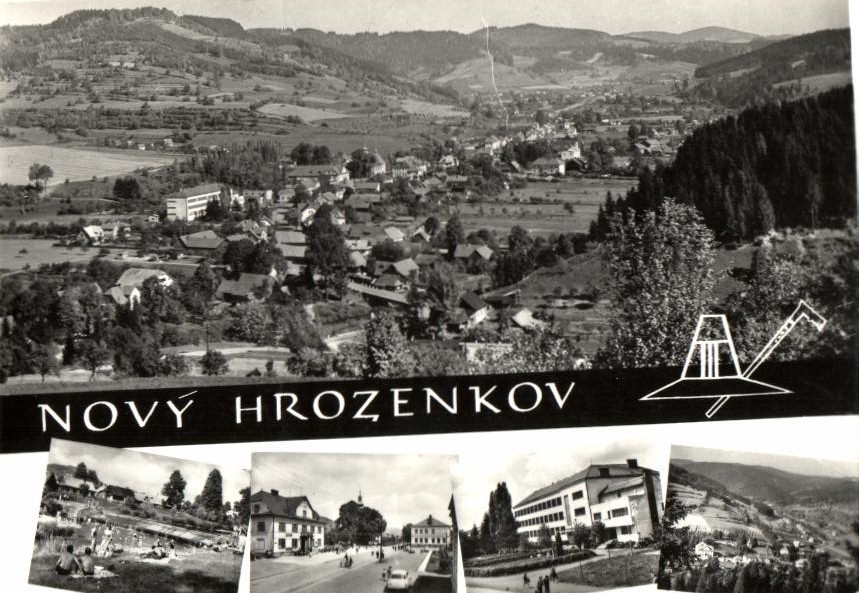
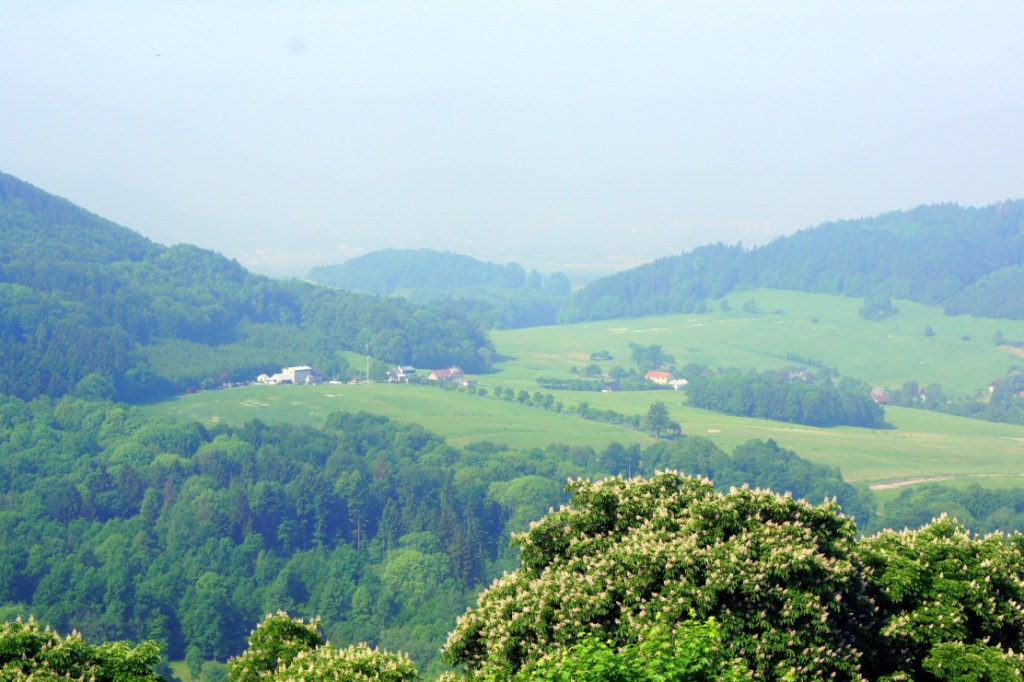
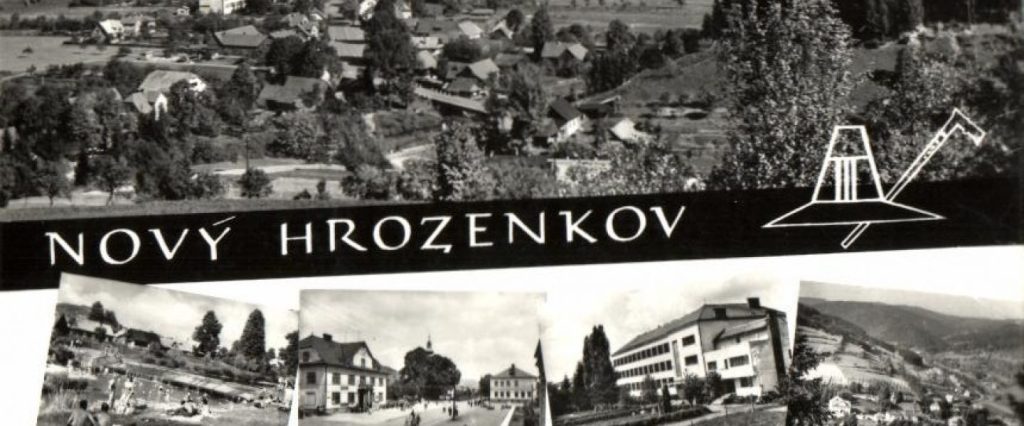
Nový Hrozenkov is a market town (městys) in Vsetín District in the Zlín Region of the Czech Republic.
The town covers an area of 43.57 square kilometres (16.82 sq mi), and has a population of 2,718 (as at 28 August 2006).
Nový Hrozenkov lies on the Vsetínská Bečva river, approximately 15 kilometres (9 mi) east of Vsetín, 41 km (25 mi) east of Zlín, and 285 km (177 mi) east of Prague. Wikipedia
 Dudikova Family Genealogy